The Price of Dreams – How to Recognize and Avoid Artist Scams
“Hi Anna, we’ve seen your work and would love to exhibit your photography.”
It sounded like a dream. An international exhibition, a chance to be seen, a step forward in my career as a Fine Art photographer. But then came the second email — the one that mentioned a “small participation fee.” Suddenly, that dream came with a price tag of several thousand euros.
Over the years, I saw many of these kind of open calls. Some looked professional. Some even used the names of real galleries. And some of them, I must admit, I believed. I paid for the promise of exposure, publication, and artistic recognition and in the end, I received nothing of real value.
Today, I can smile about it. Because I learned. But at the time, it was painful to realize how easily the dream to be seen in the art world can be turned into a business model. This article is for the photographers and artists who are just beginning to navigate the professional art world — so you can keep your clarity, your confidence, and your resources intact and learn from my mistakes.
As artists, we are dreamers by nature. But being an artist also means learning to move within systems that are not always built to protect us. When someone tells you that your work is “incredible” and “just perfect for our next publication,” it’s easy to believe them — especially when you’ve worked hard for years and visibility feels like the next logical step.
The truth is, there are entire industries built around the hopes of emerging artists. They sell recognition, not reality. And understanding this difference is one of the most empowering (and money saving) lessons you can learn early in your career. The good news are: with a bit of understanding of the system, you can filter out the scams and focus on the real opportunities.
What I learned
Becoming a professional artist doesn’t just mean learning your craft. It also means learning to say no and to protect your creations.
Real opportunities don’t require you to buy your place in them.
Once you see that clearly, you begin to value your work differently. You start asking questions. You start reading the fine print. And you start understanding that true recognition comes from authentic connection, not paid visibility.
Common Artist Scams - a Guide
Here are a few of the most common traps I’ve seen — and sometimes fallen for — over the years.
Paid Publications — The Illusion of Exposure
You receive an email: “We’d love to include your art in our next printed volume. It only costs 95 € for layout and printing” or "it is free to get published, you are only expected to buy a copy when it is released". The publication maybe looks impressive online, but it has no real readership, no distribution, and no editorial curation. Its only business model is artists paying to appear.
Red flags:
- Everyone who applies is accepted
- No visible editor or publisher
- No distribution to bookstores or collectors
- Additional charges for copies or shipping
A genuine publication pays artists or at least offers editorial value, not the other way around.
Online Galleries with Subscription Fees
Some websites promise ongoing promotion or representation for a monthly fee. You’re listed among hundreds of others, and sales are rare to nonexistent.
Red flags:
No verified sales history
Anonymous team or unclear ownership
No SEO or marketing presence
Pushy renewal policies
A real gallery earns money with artists, not from them.
Art Contests with Submission Fees
Competitions charging 30–70 € per entry often promise exhibitions and global exposure. Many, however, have no real jury or physical event — only digital “awards” or PDF certificates.
Red flags:
Vague or hidden jury list
Dozens of “winners”
No documentation of past shows
Prize equals “exposure” only
Note: Not every fee is a scam — but if the organizers depend entirely on artists’ payments, be cautious. Check the jury list and try to validate the promises to the artists in terms of exposure.
NFT Invitations and “Curated Platforms”
Emails offering to “mint your photography as NFTs” often lead to phishing or wallet-draining schemes.
Red flags:
- Requests to connect crypto wallets
- Upfront “minting” fees
- No known artists on the platform
- No legal imprint or privacy policy
Personally, I delete NFT offers immediately. I never heard of anything legit in that area.
Fake International Exhibitions
You’re invited to show your work in Paris, London, or New York — but first, you must pay for “hanging fees.” The event either never happens or lasts one evening in an empty space.
Red flags:
- No verifiable venue or partners
- No opening times or PR
- One-sided communication
- Expensive shipping at your cost
Before agreeing, ask yourself: Who is truly benefiting?
What remains
You see, there are many ways to exploit artists. All by selling you THE dream. It is true, one does have to invest in an artist's career, it is very hard to come further without any investment. But an investment usually gives something in return. And when that does not apply, its a scam. Generally said: Whenever artists are the main income, it won't help you further. I did pay my fair share of "learning fees". I’ve lost money, energy, and trust — but I’ve gained clarity. There are many things worth investing in as an artist: education, materials, authentic collaborations, and personal growth. But scams are not among them.
If you take one thing from this article, let it be this: your art already has value. You don’t need to pay someone to confirm it. If you keep showing up, the right people sooner or later will see your work.
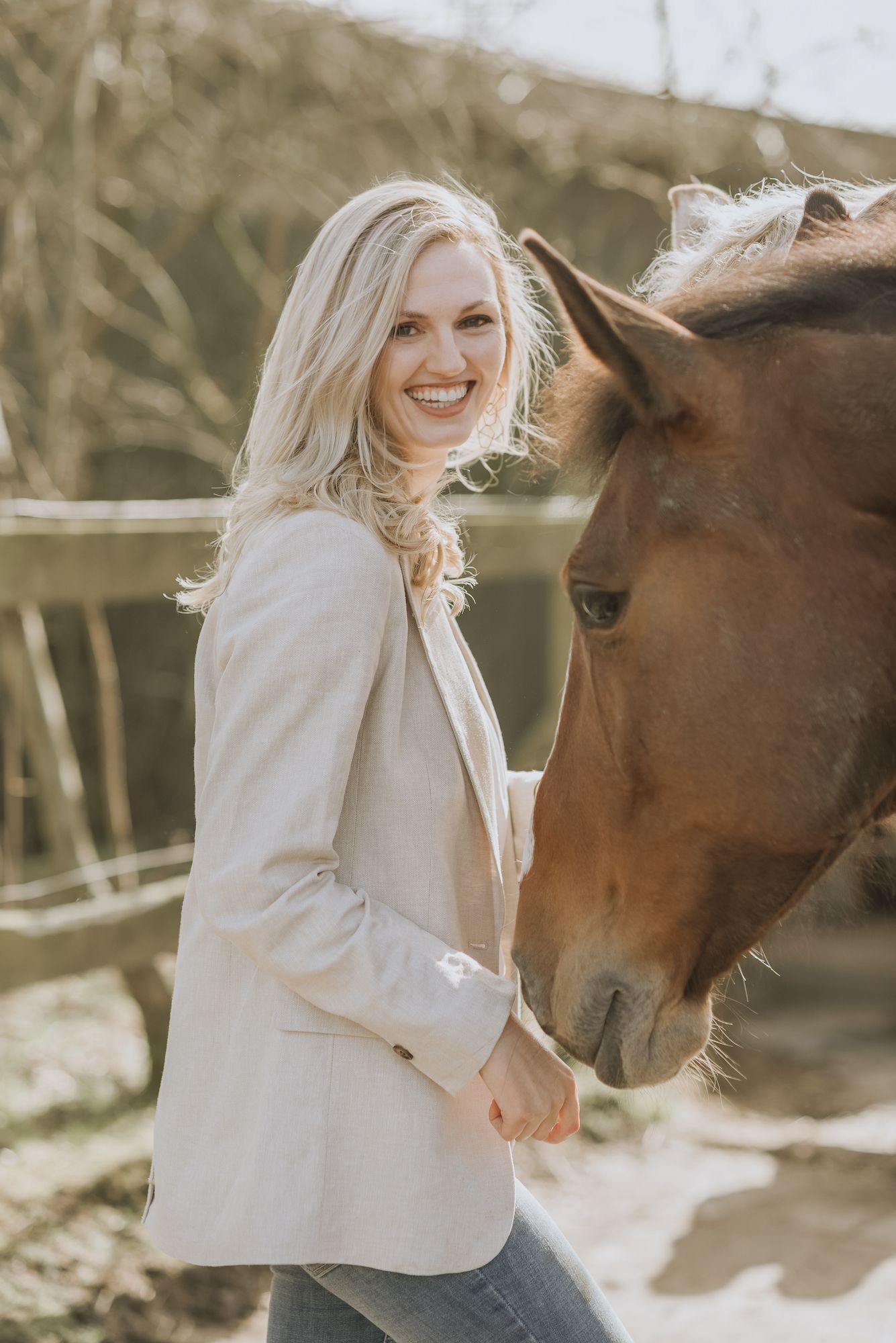
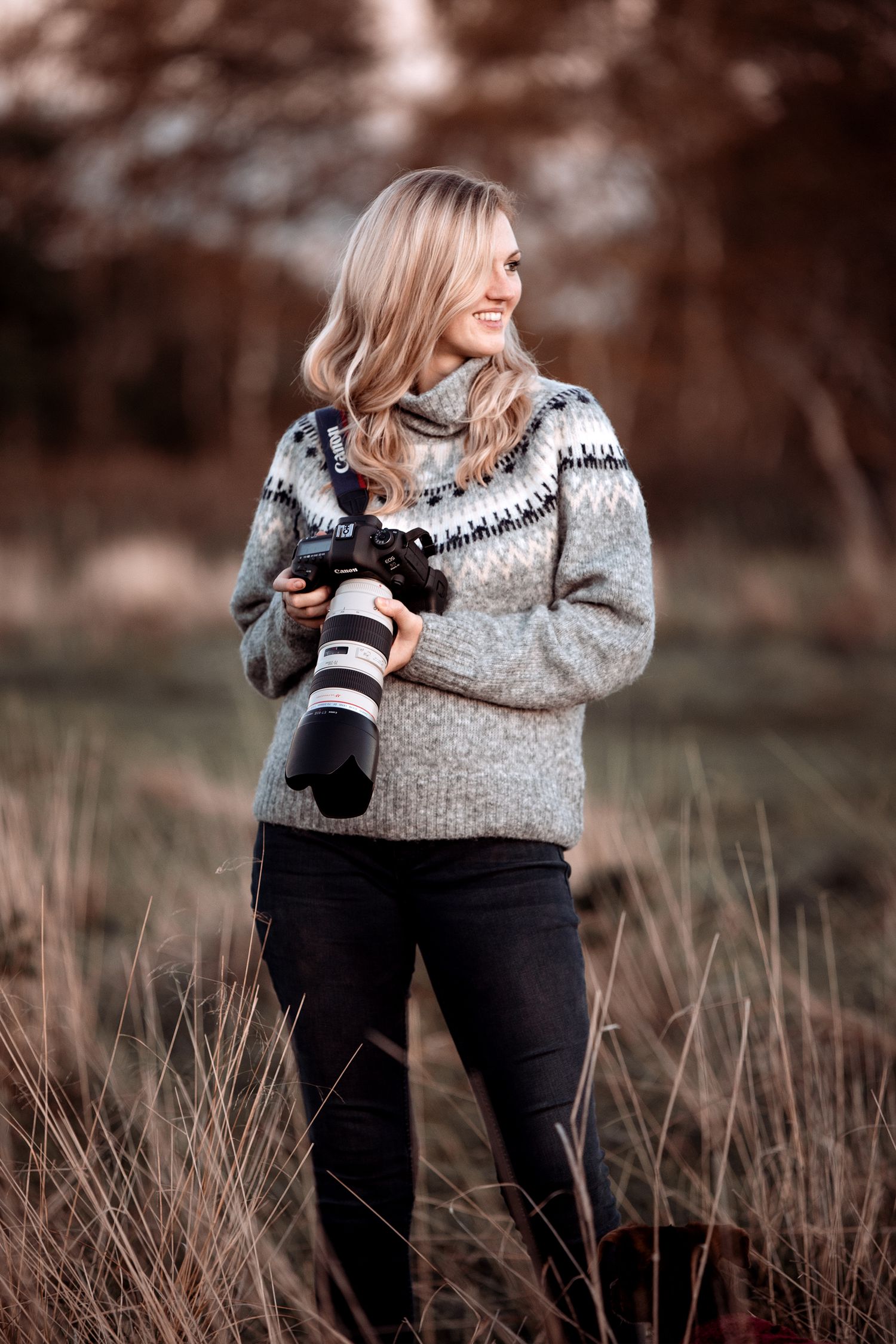
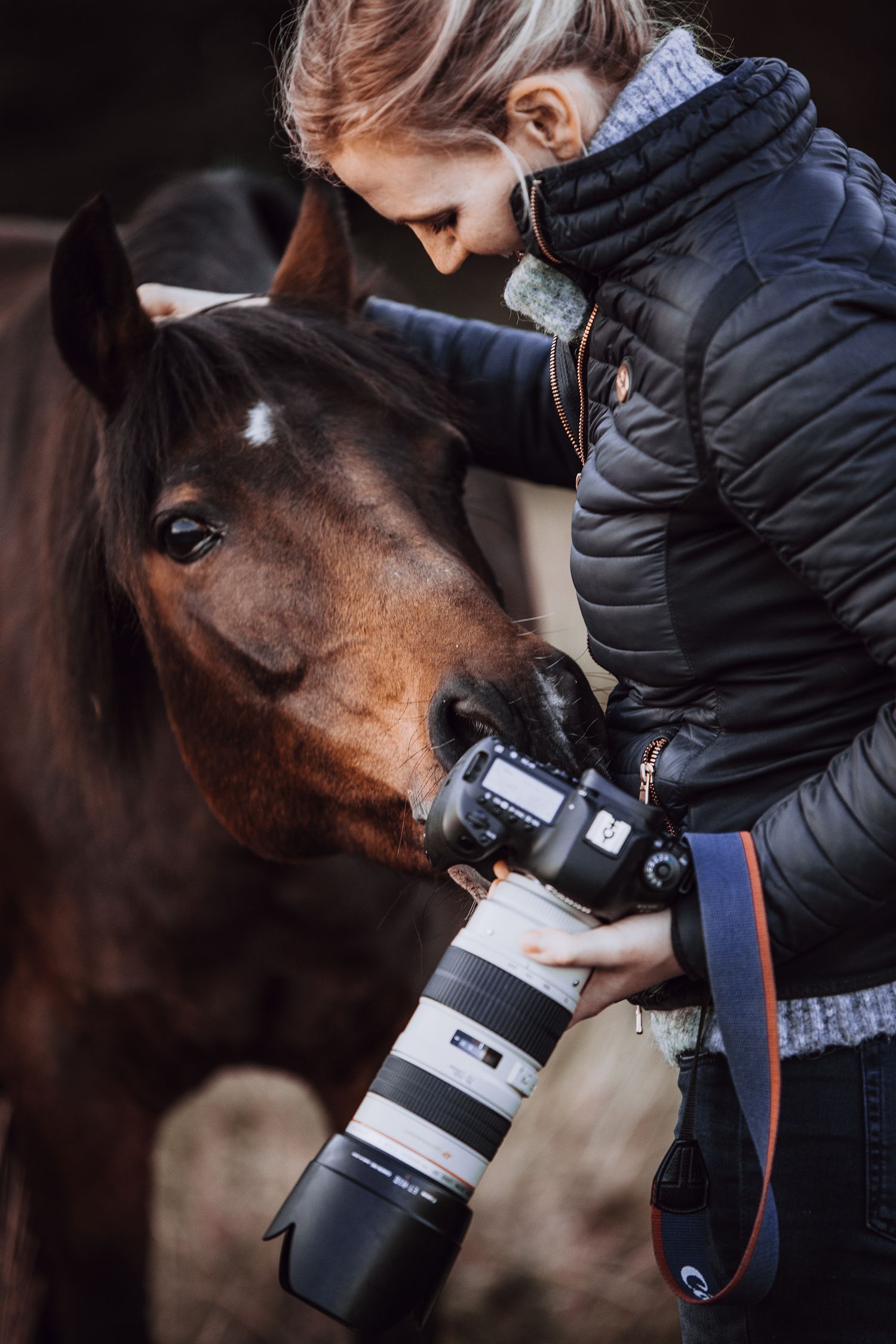
Hi, I'm Anna!
I’m an equine photographer and coach who’s grown from photographing horses in the field to creating fine art pieces collected around the world. Today, I help photographers and artists gain clarity, confidence, and a stronger sense of direction in their creative work.